likai team

Sheet Metal Bending Services for Custom Metal Parts

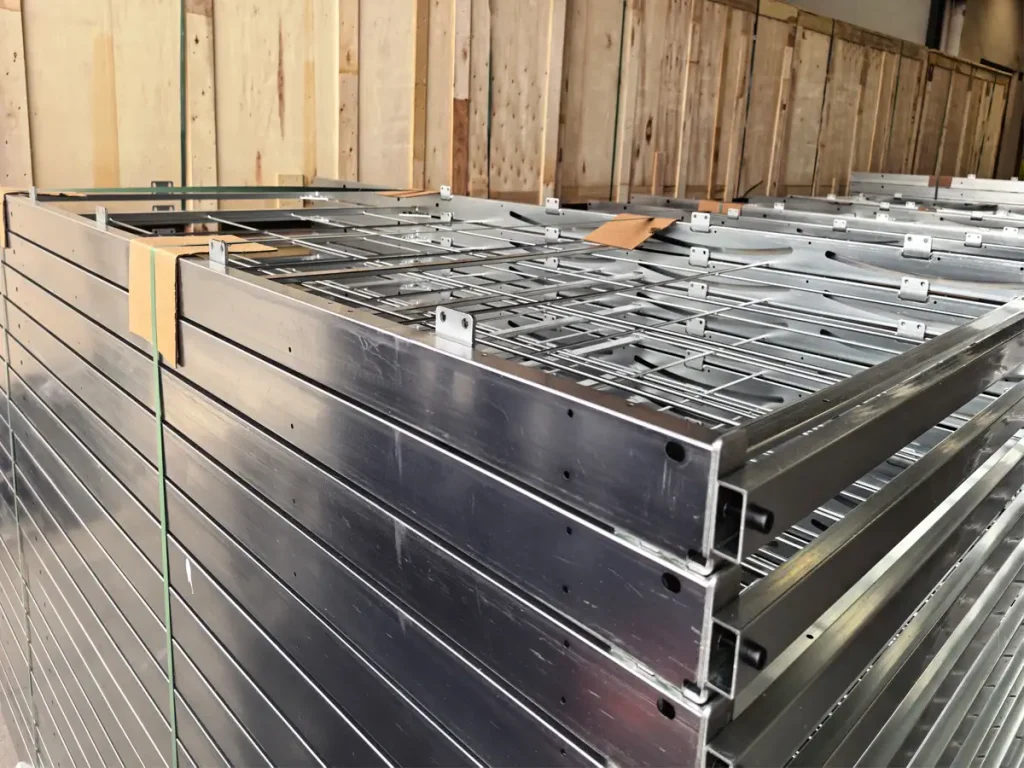
Sheet metal bending services are widely used in custom metal fabrication projects that require accurate shapes, stable dimensions, and repeatable production quality. For brackets, enclosures, frames, covers, panels, and OEM metal components, bending is an important process after laser cutting and before welding, assembly, or surface finishing. Compared with simple flat sheet cutting, bending helps […]

Sheet Metal Bending Services for Custom Metal Parts Read More »

Robotic Welding for Metal Frames and Brackets: Benefits for OEM Manufacturing

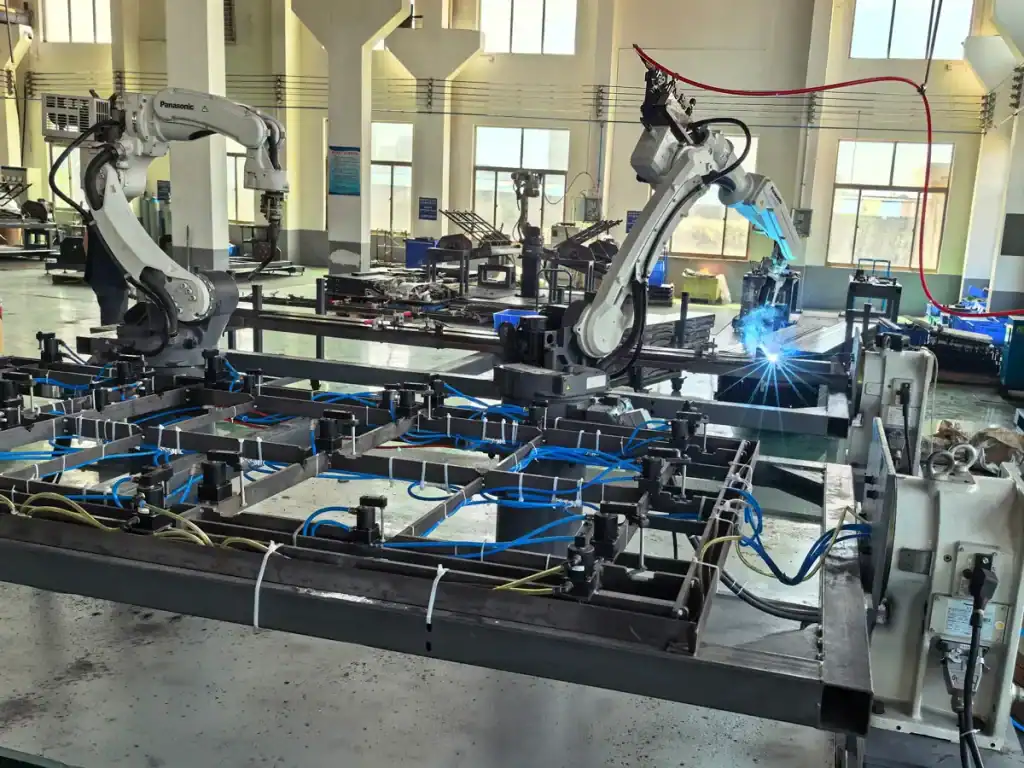
Robotic welding for metal frames and brackets is becoming an important process in OEM manufacturing. Many industrial products require welded metal structures with stable dimensions, strong welds, and repeatable quality. For parts such as frames, brackets, supports, housings, and equipment components, robotic welding can help improve production efficiency and reduce variation between parts. Compared with

Robotic Welding for Metal Frames and Brackets: Benefits for OEM Manufacturing Read More »

Custom Robotic Welding Services for Metal Frames and OEM Assemblies

Introduction Custom robotic welding services are widely used in modern metal fabrication because they help improve weld consistency, production efficiency, and overall product quality. For metal frames, brackets, housings, and OEM assemblies, robotic welding can provide stable weld seams and repeatable results for both small batch and mass production projects. Compared with fully manual welding,

Custom Robotic Welding Services for Metal Frames and OEM Assemblies Read More »

Robotic Welding vs Manual Welding: Which Is Better for Metal Fabrication?

Robotic welding and manual welding are both widely used in metal fabrication. Each method has its own advantages depending on the project type, production quantity, material, and quality requirements. For custom metal parts, frames, brackets, housings, and OEM assemblies, choosing the right welding method can improve production efficiency, reduce defects, and ensure consistent weld quality.

Robotic Welding vs Manual Welding: Which Is Better for Metal Fabrication? Read More »

Panasonic Robotic Welding: Process, Materials & Applications

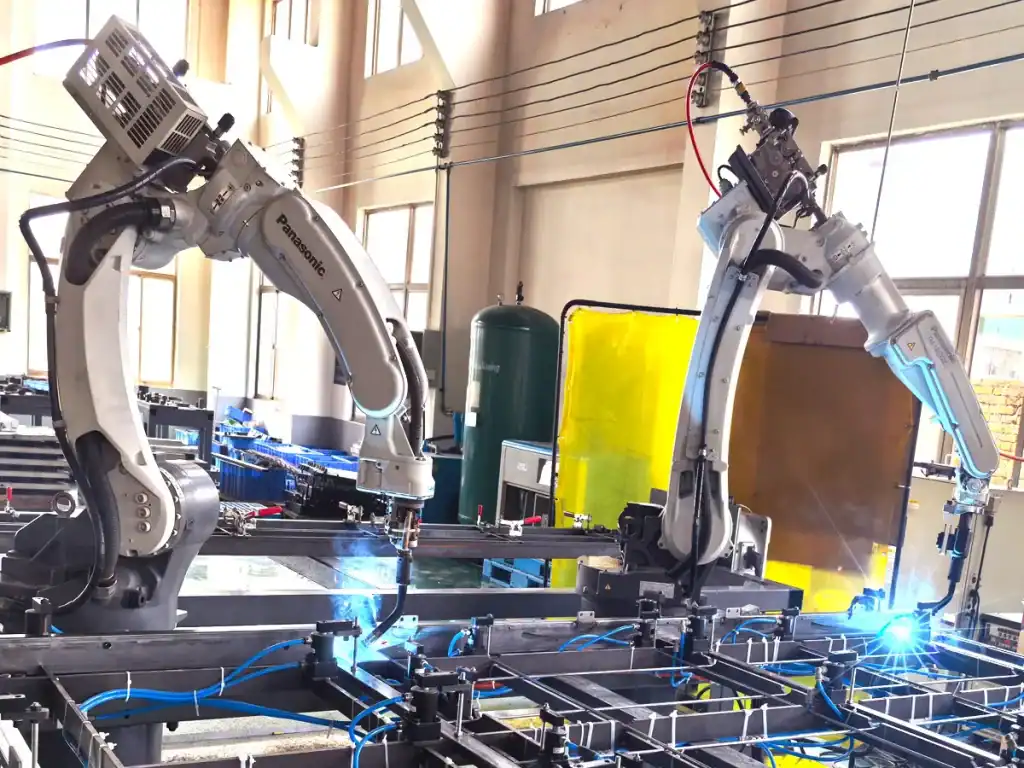
Panasonic robotic welding is widely used in modern metal fabrication for projects that require stable weld quality, repeatable results, and efficient production. For custom metal parts, frames, brackets, housings, and OEM assemblies, automated welding can help improve consistency and reduce variation between parts. Compared with fully manual welding, a robot welding system is especially useful

Panasonic Robotic Welding: Process, Materials & Applications Read More »

How Much Does CNC Machining Cost? Complete Pricing Guide 2026

CNC machining cost varies depending on several key factors, including material, part complexity, quantity, and machining processes. Understanding these factors can help you estimate pricing and choose the right supplier. What Affects CNC Machining Cost? How CNC Machining Quotes Are Calculated CNC machining costs are usually calculated based on material type, part size, machining time,

How Much Does CNC Machining Cost? Complete Pricing Guide 2026 Read More »

What is CNC Machining and How Does It Work?

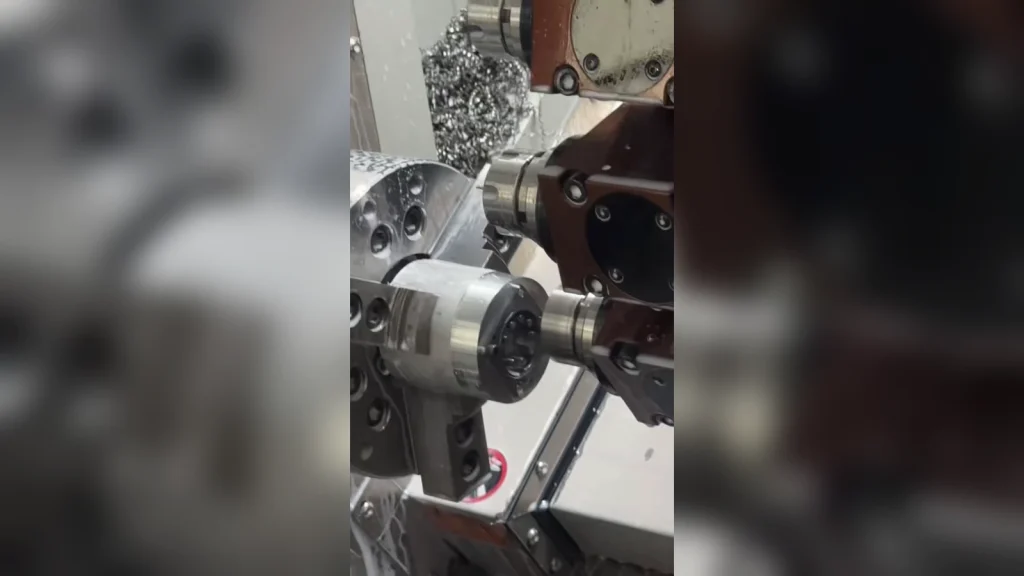
CNC machining is a precision manufacturing process used to produce custom metal parts by removing material from a workpiece. It is commonly used for prototypes, small batches, and OEM production parts that require accurate dimensions, smooth surfaces, and repeatable quality. How the Machining Process Works This process uses computer-controlled equipment to cut, drill, mill, or

What is CNC Machining and How Does It Work? Read More »